What is being talked about, taught, and shared right now in the transthyretin amyloidosis space. This page brings together key moments and opportunities so our community can stay informed and show up prepared.
What’s Happening in ATTR.
Upcoming Events
Community conversations, webinars, and programs happening across the transthyretin amyloidosis space. These events are hosted by trusted organizations and shared here for awareness.

Alnylam Patient Event
ARC Talks
Amyloidosis Foundation
Why Getting an ATTR Diagnosis Earlier Still Matters
A new study in JACC: Advances looked at more than 10,000 people with heart failure and ATTR-CM across Medicare and Veterans Health Administration data. Researchers found that the median time from a heart failure diagnosis to an ATTR-CM diagnosis was about 16 months. Longer diagnostic delays were associated with a higher risk of death or heart failure hospitalization.
Why it matters
ATTR-CM is progressive and can be difficult to recognize because its symptoms may overlap with other common heart conditions. The findings reinforce the importance of timely recognition and diagnosis.
For families affected by hereditary ATTR, knowing your family history and sharing relevant health patterns with a healthcare provider may help support informed conversations about whether further evaluation is appropriate.
Important to know
Symptoms such as heart failure, carpal tunnel syndrome, neuropathy, or spinal stenosis can have many causes. Having one or more of these does not mean someone has ATTR amyloidosis. Awareness is about recognizing patterns and knowing when to ask questions, not self-diagnosing.
In the News

Clinical Trial for Potential ATTR Heart Disease Treatment Falls Short
A major update in ATTR amyloidosis research was announced this month. AstraZeneca and Ionis reported that a Phase 3 clinical trial evaluating Wainua® (eplontersen) as a treatment for transthyretin amyloid cardiomyopathy (ATTR-CM), also known as ATTR heart disease, did not meet its primary goal.
The study looked at whether Wainua could reduce cardiovascular deaths and recurring heart-related events in people living with ATTR-CM. Although the medication successfully lowers transthyretin (TTR) protein levels, the trial did not show a statistically significant improvement in the primary clinical outcome being measured.
What Does This Mean?
For patients currently receiving treatment for ATTR amyloidosis, this news does not change your care today. Wainua remains an approved treatment for hereditary ATTR amyloidosis with polyneuropathy (ATTRv-PN). This announcement applies only to its investigation as a treatment for ATTR heart disease.
Researchers will continue analyzing the study results to better understand the findings and what they may mean for future research.
Why Is This Important?
Clinical trials help researchers determine not only whether a treatment affects the disease, but whether it helps people live longer, stay healthier, or improve their quality of life. Even when a study does not meet its primary goal, the information gained helps shape future treatments and advances our understanding of ATTR amyloidosis.
Research in hereditary ATTR amyloidosis continues to move forward. Multiple studies evaluating gene silencers, gene-editing therapies, amyloid-depleting therapies, and treatments for earlier stages of disease remain underway, providing continued hope for patients and families.
Artificial Intelligence Technology Being Explored to Help Detect Cardiac Amyloidosis Earlier
What happened?
Researchers and health technology companies are exploring how artificial intelligence (AI) may help identify patterns associated with cardiac amyloidosis. A recently announced AI-based technology is being developed to analyze information from a standard electrocardiogram (ECG), a common test that records the electrical activity of the heart. The goal is to help recognize patterns that may suggest cardiac amyloidosis and support healthcare providers in identifying patients who may need additional evaluation.
Why it matters
One of the biggest challenges in amyloidosis is getting diagnosed. Many patients experience symptoms for years before receiving answers because the signs can look like other, more common conditions. Tools that help healthcare providers recognize possible clues earlier could lead to more timely testing, diagnosis, and conversations about treatment options. For families impacted by hereditary ATTR amyloidosis, earlier recognition is especially important because a diagnosis may also help relatives understand their potential risk and consider genetic counseling and testing.
What to remember
Artificial intelligence tools are not intended to replace healthcare providers or diagnose amyloidosis on their own. They are being studied as additional tools that may help identify patterns and support earlier detection. Research and innovation in amyloidosis continue to focus not only on new treatments, but also on helping patients receive answers sooner.
New Imaging Technology Shows Promise for Earlier Amyloidosis Diagnosis
What happened?
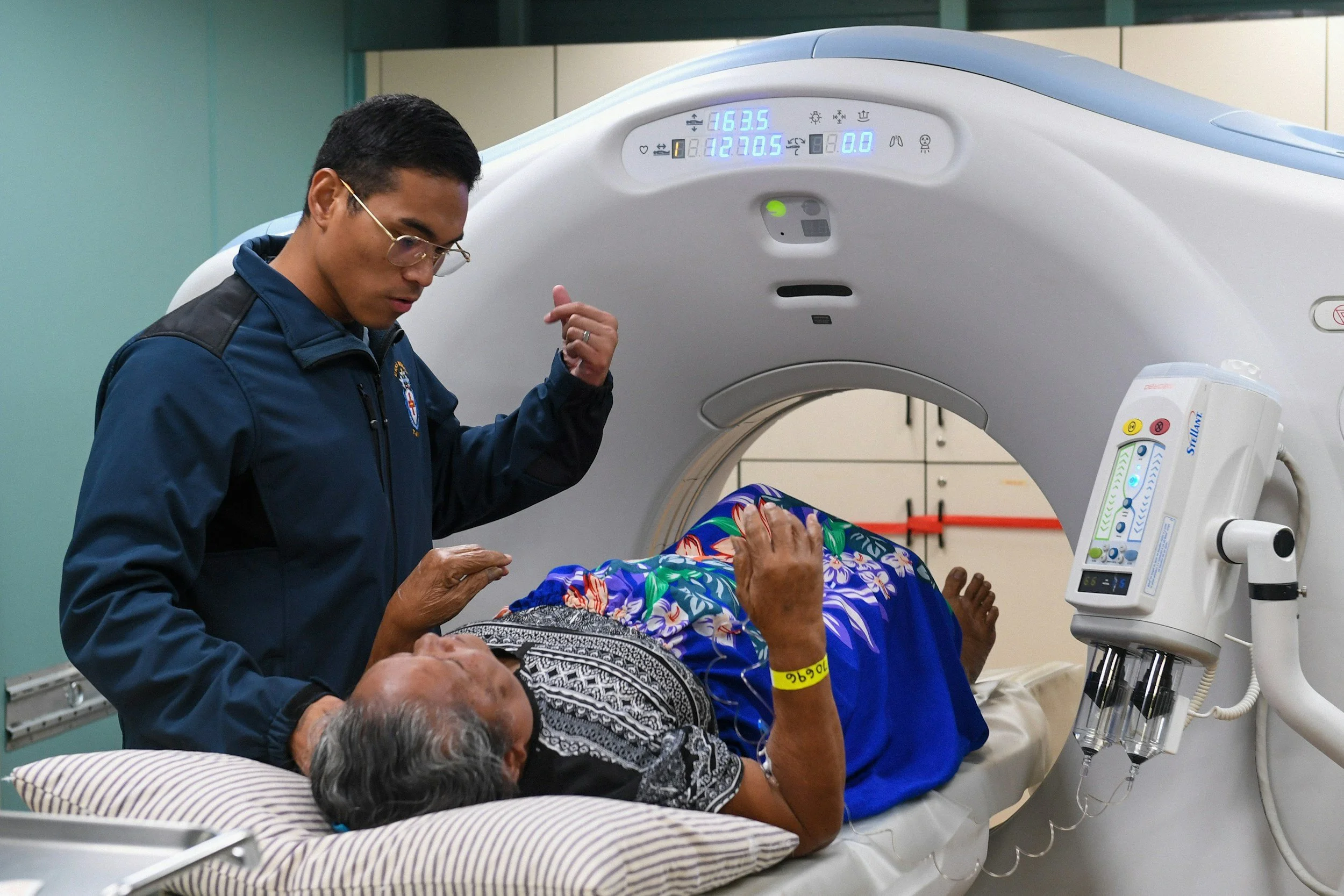
Researchers announced positive Phase 3 results for an investigational PET imaging agent called iodine-124 evuzamitide. In the study, the imaging test accurately identified or ruled out cardiac amyloidosis in people suspected of having the disease.
Why it matters
One of the biggest challenges in amyloidosis is getting diagnosed. Many patients spend years searching for answers because symptoms often mimic other heart conditions. Researchers estimate that diagnosis can take 2 to 4 years from the time symptoms first appear.
This new imaging technology is designed to help physicians detect amyloid deposits throughout the body using a single PET/CT scan. If approved, it could become another tool to help reduce delays in diagnosis and get patients connected to treatment sooner.
What to remember
This imaging agent is still investigational and has not yet been approved by the FDA. However, positive Phase 3 results are an encouraging step toward improving how cardiac amyloidosis is diagnosed in the future.
As new imaging technologies continue to emerge, understanding how imaging is used in amyloidosis has never been more important.
For those interested in learning more, the Amyloidosis Research Consortium (ARC) recently hosted an educational webinar, "The Role of Imaging in Amyloidosis Diagnosis & Management."
The webinar explores how imaging helps clinicians identify and monitor amyloidosis, discusses current diagnostic tools, and provides insight into advances that may help improve diagnosis in the future.
This webinar provides helpful context for the imaging developments discussed above.

Gene Editing Research Continues to Move Forward in ATTR Amyloidosis
What happened?
Intellia Therapeutics announced that patient enrollment and screening activities are moving forward again in its Phase 3 MAGNITUDE studies evaluating NTLA-2001, an investigational gene-editing treatment for ATTR amyloidosis.
Earlier concerns raised by regulators required additional review before the studies could continue. After reviewing additional information, regulators allowed the research program to resume.
Why it matters
Unlike current ATTR treatments, which typically require ongoing medication, NTLA-2001 is being studied as a potential one-time treatment designed to reduce the body's production of transthyretin (TTR), the protein responsible for ATTR amyloidosis.
While this treatment is still experimental and not yet approved, many patients, gene carriers, caregivers, and healthcare professionals are watching the research closely because it represents a different approach to treating ATTR amyloidosis. If successful, gene-editing therapies could potentially change how the disease is managed in the future.
What to remember
This research is still underway, and more studies are needed to understand its long-term safety and effectiveness. However, the continued progress of Phase 3 testing is an encouraging sign for the amyloidosis community.