Why Family Health History Matters
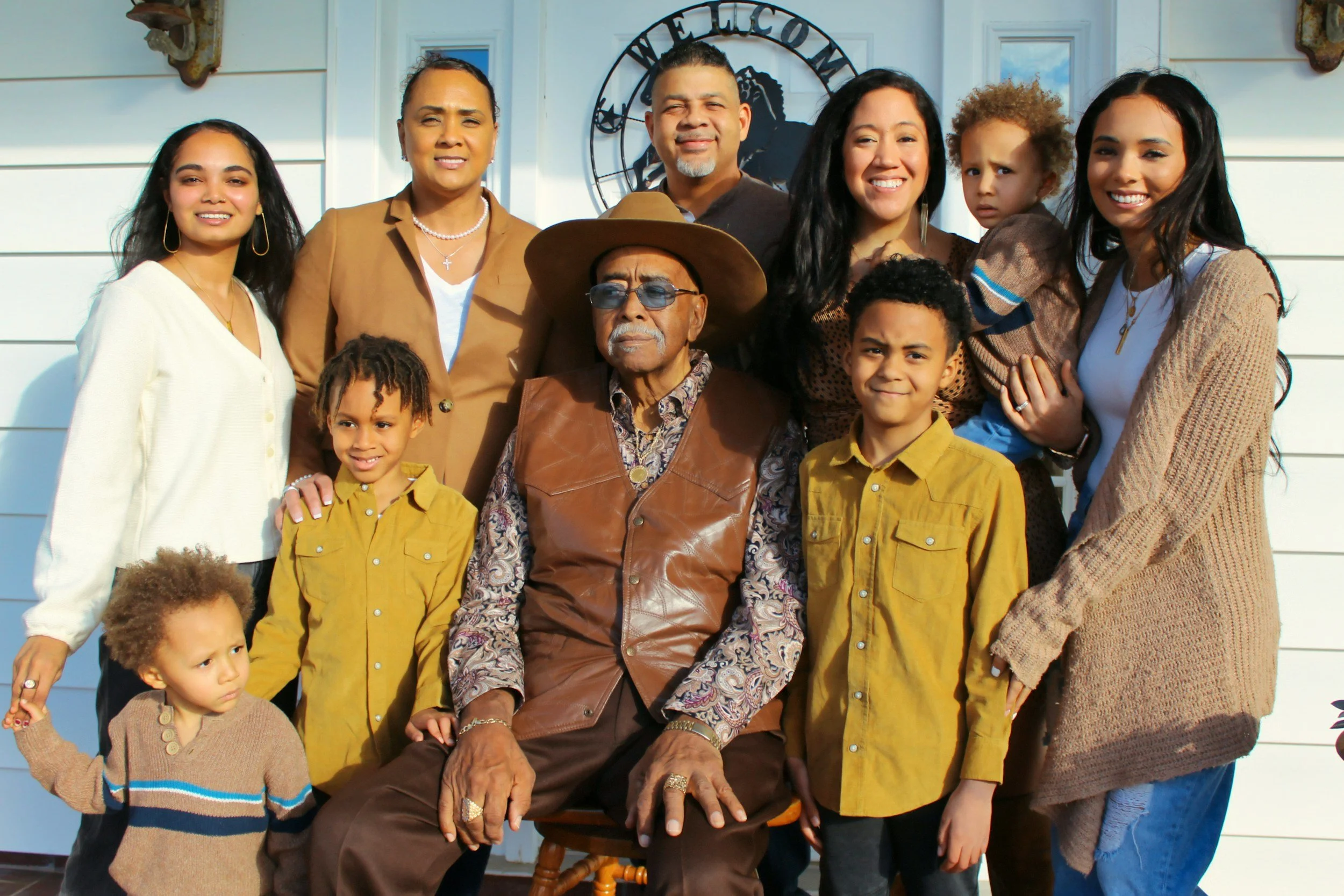
Family health history is one of the most important tools doctors use to understand risk for certain diseases, including hereditary conditions.
Many health conditions are influenced not only by lifestyle or environment but also by genes passed from one generation to the next. When doctors see patterns of similar health problems within a family, that information can help them recognize possible genetic risk.
For hereditary ATTR amyloidosis, a change in the transthyretin gene, also called the TTR gene, can be passed through families. One variant known as V122I is more commonly identified in individuals with West African ancestry and is often associated with heart involvement later in life.
Because symptoms may appear gradually and can resemble more common health problems, family health history can sometimes help doctors recognize patterns that might otherwise be missed.
Even small pieces of information about family health can help guide conversations between patients and healthcare providers.
Why These Conversations Can Be Difficult
In many families, health history was not always openly discussed.
Older generations may not have received clear diagnoses. Medical records may not exist, and some illnesses may have been described only in general terms such as heart problems or nerve issues.
In some communities, including parts of the Black community, historical inequities in healthcare have also affected how medical information was shared or documented.
Because of this, families may not always have a complete picture of their health history.
Even so, sharing the information that is known can still be valuable.
A Roadmap Future Generations Did Not Always Have
When families talk about hereditary disease, the conversation can feel heavy. Many people worry about what a genetic result might mean for themselves or their children.
But genetic knowledge can also be empowering.
When I was trying to determine whether I should be tested after experiencing symptoms and learning more about my father’s diagnosis, amyloidosis expert Dr. John Berk shared something with me that has stayed with me.
“Your father may have given you a genetic disease, but he also gave you a roadmap, a map he did not have.”
For many families, earlier generations lived with symptoms that were never fully explained. Doctors did not always know what to look for, and genetic testing was not widely available.
Today, families may have more information than previous generations did.
But that roadmap can only be effective if we share what we know.
Sometimes a small detail, such as a relative who had heart problems, nerve symptoms, or an illness that was never fully explained, can become an important piece of the puzzle.
No detail is too small when it comes to family health history.
When families share what they know, that roadmap can help change the course for future generations.
How Family Health History Supports Self Advocacy
Learning about your family health history can help you become a stronger advocate for your own health.
Information about relatives who experienced heart disease, nerve problems, or illnesses that were never fully explained can provide important clues for doctors.
When people share these details with healthcare professionals, it can help guide conversations about possible genetic risk, including conditions such as hereditary ATTR amyloidosis and the V122I variant.
Family history alone does not diagnose disease. However, it can help doctors decide whether further evaluation, monitoring, or referral to specialists experienced in amyloidosis may be appropriate.
In this way, learning about family health history becomes a form of self advocacy. The information you gather can help you ask informed questions, share what you know with your healthcare team, and make decisions about your health with greater confidence.
Continuing the Conversation
Learning about family health history is not about blame. It is about sharing knowledge that may help protect future generations.
If you would like to learn more about hereditary ATTR amyloidosis, genetic testing, and tools that support patient self advocacy, visit the #hATTRNextGen Resource Hub.